


The Future of Performance: Genesis Magma Explained

Genesis Magma is the brand’s new high performance division, built to bring track-level engineering to Genesis models without losing the comfort and refinement the brand is known for. The first model, the GV60 Magma, launched in 2026 with up to 641 horsepower and a design language built around bold aerodynamics and driver focused technology. It marks the start of a new chapter for Genesis, one that blends serious performance with the luxury craftsmanship the brand has built its reputation on here in Charlotte and beyond.
What Is Genesis Magma?
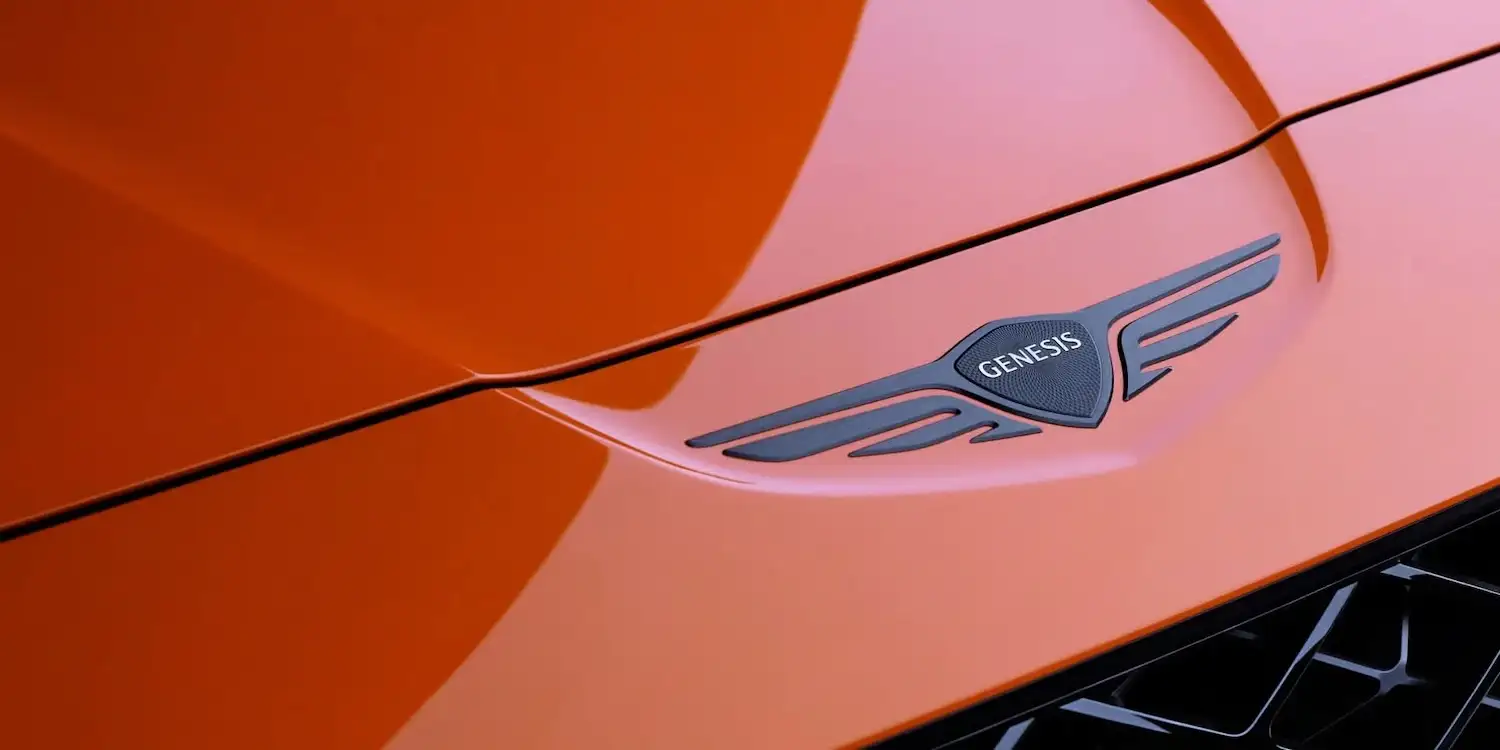
Genesis Magma is the brand’s answer to BMW M and Mercedes-AMG. It is a dedicated performance division built to give Genesis models sharper handling, more power, and a more emotional driving experience while keeping the comfort and quality Genesis owners expect. The name comes from the intensity and energy of molten rock, and Genesis has leaned into that idea with a signature Magma Orange color that appears throughout the lineup’s concept and production vehicles. According to Genesis, the goal behind Magma is not simply to build the fastest version of an existing car. The brand has described its approach as “Luxury High Performance,” a philosophy that puts driver connection and refinement ahead of chasing raw numbers for their own sake.
This matters for how the models in this program are meant to feel. A Magma vehicle is not stripped down or track only. It keeps heated and ventilated seats, a full driver assistance suite, and the kind of cabin materials that Genesis buyers expect, while adding the hardware and software that make a car genuinely quicker and more engaging to drive. Genesis has stated its long term plan is to eventually offer a Magma variant across the model lineup, from the compact GV60 up through the flagship G90, with each variant tuned to suit the character of that particular vehicle. A Magma version of a large sedan will not necessarily behave like a Magma version of a compact SUV, and that is intentional.
The First Magma Model: GV60 Magma
The GV60 Magma is the first production vehicle to carry the Magma name, and it offers a clear picture of what this new direction actually looks like on the road. It uses an upgraded dual motor all-wheel drive system that produces more than 600 horsepower, with up to 641 horsepower and 583 lb-ft of torque available when the driver activates Boost Mode. Those numbers put the GV60 Magma solidly in competition with established performance EVs, but the details around it are just as telling as the horsepower figure. The car sits lower and wider than a standard GV60, with Magma specific aerodynamic elements including front bumper canards, fender garnishes, and a winglet style rear spoiler. Genesis paired this with exclusive 21-inch forged wheels and wider tires for better grip and stability at speed.
Inside, the GV60 Magma introduces a few technologies unique to this performance line. Virtual Gear Shift recreates the feeling of shifting through gears in a traditional performance car, using simulated feedback so the driving experience feels familiar even though the car is fully electric. Genesis also built a distinct sound identity for Magma vehicles, layering deep, mechanical tones that grow more pronounced under acceleration, giving the car an audible character to match its performance.
For Charlotte drivers cross-shopping performance EVs, this combination of power, handling upgrades, and thoughtful cabin technology is what separates Magma from a simple horsepower bump. It is a full reworking of the driving experience, not just a trim level.
How Magma Fits Into the Genesis Lineup
Genesis Magma is not meant to replace or compete with the standard Genesis lineup. Instead, it sits above it as a performance focused option for drivers who want more engagement from their vehicle without stepping outside the Genesis ownership experience.
Right now, the GV60 Magma is the only production Magma model, but Genesis has been public about its plan to expand the lineup over time. Reporting on the program has pointed to a Magma variant eventually reaching most, if not all, models in the current range, including sedans like the G70, G80, and G90, along with SUVs like the GV70 and GV80. Genesis has also confirmed a Magma concept built on the Electrified G80, suggesting the brand’s electrified models are very much part of this performance push and not being left out of it.
This is a meaningful signal for anyone weighing an electrified Genesis against a traditional gas powered model. We see it as confirmation that Genesis is building Magma as a performance philosophy that applies across the whole range, whether a customer is looking at a compact electric SUV or a full-size luxury sedan, rather than treating performance as something reserved for one type of vehicle.
It’s worth noting that exact timing, specs, and availability for future Magma models beyond the GV60 have not been confirmed by Genesis. Anyone with genuine interest in a specific future model should treat early reporting as a preview of direction rather than a locked-in release schedule.
Common Questions Buyers Have About Magma
Buyers considering a Magma model tend to ask similar practical questions before making a decision. Understanding a few of these details up front makes it much easier to know whether a Magma vehicle actually fits how someone plans to drive day to day.
Does a Magma model give up comfort for performance?
No. One of the defining ideas behind the Magma program is that performance should not come at the cost of everyday livability. The GV60 Magma keeps comfort features like heated and ventilated front seats, a 27-inch OLED display, and a Bang & Olufsen audio system as standard equipment, so daily driving still feels like a Genesis.
Is Magma only for electric vehicles?
Not necessarily. The GV60 Magma is electric because the GV60 itself is an EV, but Genesis has described its ambition to bring the Magma treatment across the lineup, which includes gas and hybrid powered sedans and SUVs. The performance philosophy is not tied to one type of powertrain.
How is Magma different from simply choosing a higher trim level?
A higher trim on a standard model typically adds features or minor styling changes. A Magma model involves changes to the suspension, wheels, aerodynamics, and drive technology, along with dedicated software like Virtual Gear Shift, making it a meaningfully different driving experience rather than an appearance package.
Will every Genesis model eventually get a Magma version?
Genesis has stated this is the long term goal, though the brand has not published a confirmed timeline for which models are next or when they will arrive in the United States. The safest approach is to watch official Genesis announcements as they come, since plans in this kind of program can shift.
Craftsmanship Still Comes First
Even with the added performance hardware, Magma models are still built around the same attention to detail that defines every Genesis vehicle. The materials, fit, and finish inside a Magma model reflect the same standards found throughout the current Genesis lineup, just paired with a sharper, more athletic character.
This is part of why the Magma program is worth paying attention to, even for drivers who are not chasing 0 to 60 times. It shows how Genesis is thinking about performance as an extension of luxury rather than a separate category. The brand’s approach favors a refined, connected driving feel over simply posting the highest horsepower figure it can manage, which tends to matter more in real world daily driving than it does on a spec sheet.
Buyers already drawn to Genesis for its interior quality and design tend to find this direction a natural fit. It gives Magma the potential to appeal to performance minded buyers without asking them to give up the comfort and craftsmanship that brought them to Genesis in the first place.
How Magma Compares to BMW M and Mercedes-AMG
Buyers cross-shopping performance luxury vehicles in Charlotte often want to know how Magma stacks up against the performance divisions they already know. The comparison is useful, but the approach behind each program is not identical.
BMW M and Mercedes-AMG both grew out of decades of motorsport history, and their performance models are known for sharp, sometimes firm-riding setups that prioritize outright speed and cornering grip. Genesis is taking a different starting point. The GV60 Magma keeps its driver assistance suite, its full comfort features, and a cabin that looks and feels like the rest of the Genesis lineup, rather than trading comfort away for lap times. Genesis has been explicit that its “Luxury High Performance” approach is meant to feel connected and engaging rather than raw or aggressive for its own sake.
There is also a difference in how each brand plans to roll out its performance line. BMW M and Mercedes-AMG have built out their lineups over many years, with distinct engineering teams and racing programs behind them. Genesis is moving faster, having already confirmed its intention to bring Magma across most of the current model range within a relatively short window, and pairing that expansion with a motorsport program that includes plans to compete in endurance racing series like the FIA World Endurance Championship. For a brand that only introduced its first Magma production model in 2026, this places Genesis on an ambitious timeline compared to how established performance divisions were built.
For a buyer weighing a Magma model against an M or AMG badge, the practical difference often comes down to what the drive should feel like day to day. A Magma model is built to be just as usable for a daily commute or a road trip as any other Genesis, with performance layered on top rather than treated as the only priority. That makes it worth a closer look for anyone who wants more excitement behind the wheel without accepting a stiffer, less comfortable ride every time they get in the car.
Getting Ready for a Future Magma Model
Anyone interested in a future Magma model beyond the GV60 can take a few practical steps now rather than waiting until a car is sitting on the lot. Being prepared ahead of time tends to make the eventual purchase process smoother, especially for models expected to arrive in limited numbers.
Following official Genesis announcements is the most reliable way to track real news instead of speculation. A surprising amount of early reporting on future Magma models is based on patents, trademark filings, or unofficial leaks, which do not always match what Genesis eventually builds. Sticking to confirmed announcements from Genesis avoids setting expectations around a spec or price that changes before launch.
It also helps to think through which current model in the lineup appeals most, since early Magma models have followed the character of the vehicle they are based on. A buyer drawn to the GV70 for its size and handling, for example, is likely to find a future GV70 Magma appealing for similar reasons, while someone who prioritizes comfort in a larger sedan like the G90 may want to see how that model’s Magma treatment balances performance with the ride quality the G90 is known for.
Finally, it is worth remembering that first year availability for a new performance model is often limited to select markets before expanding further. The GV60 Magma’s initial rollout in the United States started in a handful of states before widening. A similar pattern is likely for future Magma models, so staying in touch with a local Genesis retailer is the most direct way to know when a specific model becomes available closer to home.
Genesis of Charlotte and the Road Ahead
This overview of the Genesis Magma program covers what buyers need to know today: a performance division built around the idea that speed and luxury do not have to be separate things, led by the GV60 Magma and its 641 horsepower Boost Mode, with more models expected to follow as Genesis expands the lineup in the coming years.
Genesis of Charlotte is the number one volume Genesis retailer in the Charlotte market, and that product knowledge carries into every conversation about where the brand is headed next, including the Magma program. The non-commission approach here means a visit to ask about Magma, GV60 pricing, or how a performance model might fit daily driving gets straight answers from a product specialist rather than a sales pitch, whether that conversation happens in the showroom or through the Online Express Store from home. Current incentives on today’s lineup are also available on our offers page while the Magma lineup continues to grow. For a direct conversation about Magma or any Genesis model, call (704) 817-2414.
0 comment(s) so far on The Future of Performance: Genesis Magma Explained